Keeping the Spark in Their Golden Years
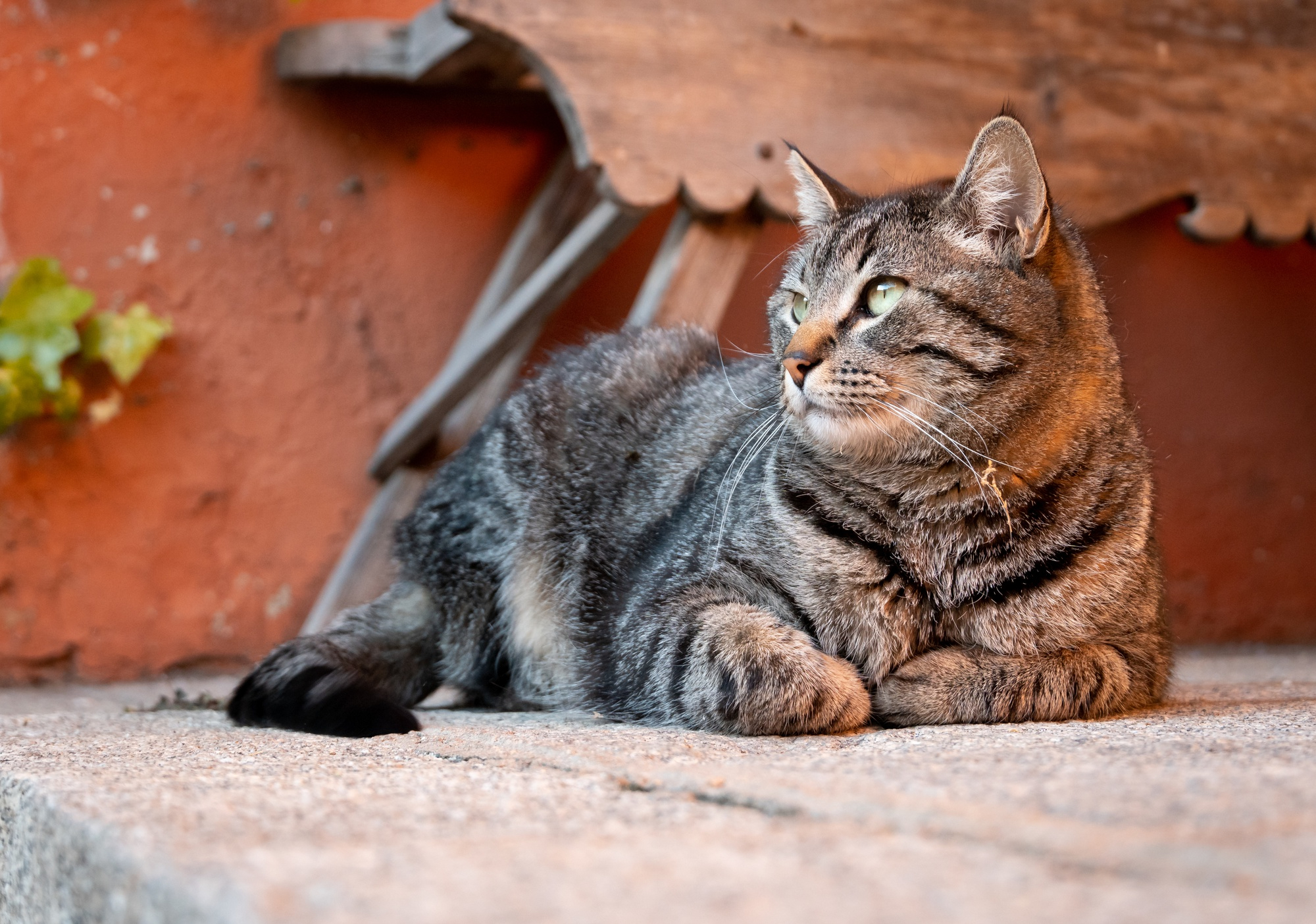
When your cat reaches their senior stage, around 10 years old and beyond, your role subtly shifts from playmate to caretaker. They’ll nap more, jump less, and crave routine comfort over novelty. This phase isn’t about decline, however; it’s about tuning into their changing rhythms so their days stay comfortable, safe, and full of quiet joy.
What Matters Most
- Watch for small shifts in energy, appetite, or habits — they speak volumes.
- Stick to familiar routines for meals, grooming, and affection.
- Create soft, warm, easily accessible resting areas.
- Keep detailed health notes and schedule regular vet checkups.
- Focus on quality of life, not just longevity.
Spot the Quiet Shifts
Older cats rarely show pain or confusion openly. A slower walk, hesitation before jumping, or skipping grooming sessions can signal joint stiffness or early illness. Subtle, consistent observation helps you catch these moments before they turn into bigger problems.
The goal isn’t to hover, it’s to notice patterns. If you sense something off twice in a row, write it down. Two notes often become the clue your vet needs to keep your cat thriving.
Keep Health Records Organized
Over the years, you’ll collect vaccination records, lab results, medication changes, and diet adjustments. Keeping them together, digitally or in a binder, saves guesswork and makes vet visits smoother. You’ll spot trends faster and feel more confident about care decisions.
Saving files as PDFs keeps them searchable, easy to share, and neatly archived. If your documents are scattered across formats, you can check this out to convert them into PDFs for free. A little organization today makes long-term care effortless later.
Small Home Tweaks, Big Comfort
Senior cats benefit most from a home that removes friction and preserves independence. Try these easy upgrades:
- Add a soft, low bed in each favorite room.
- Use ramps or stools for couches and windowsills.
- Keep food, water, and litter boxes on one level.
- Add a nightlight in hallways for fading vision.
- Offer gentle toys and short play bursts to maintain mobility.
Little adjustments like these let your cat keep their confidence; they shouldn’t have to give up the spots they love.
A Practical Checklist for Daily Care
Caring for an older cat is about rhythm and reassurance. Use this quick routine to keep things balanced:
- Refresh water daily and offer wet food for hydration.
- Brush lightly each morning to prevent matting and improve circulation.
- Check appetite, mood, and energy level at roughly the same time each day.
- Keep play short and low-impact — focus on connection, not calories.
- Clean litter boxes often; arthritic cats may struggle with high sides.
- Note changes in a simple health log or phone note.
A few quiet minutes of observation every day make you their best early-warning system.
By Penny Martin
“Penny Martin is an advocate for rescue dogs. Her goal is to inform people of what to expect and how to react to their dog so that the relationship always retains love. She created fureverfriend.info to help new owners prepare themselves for new furry friends.”
 Society Of Feline Artists