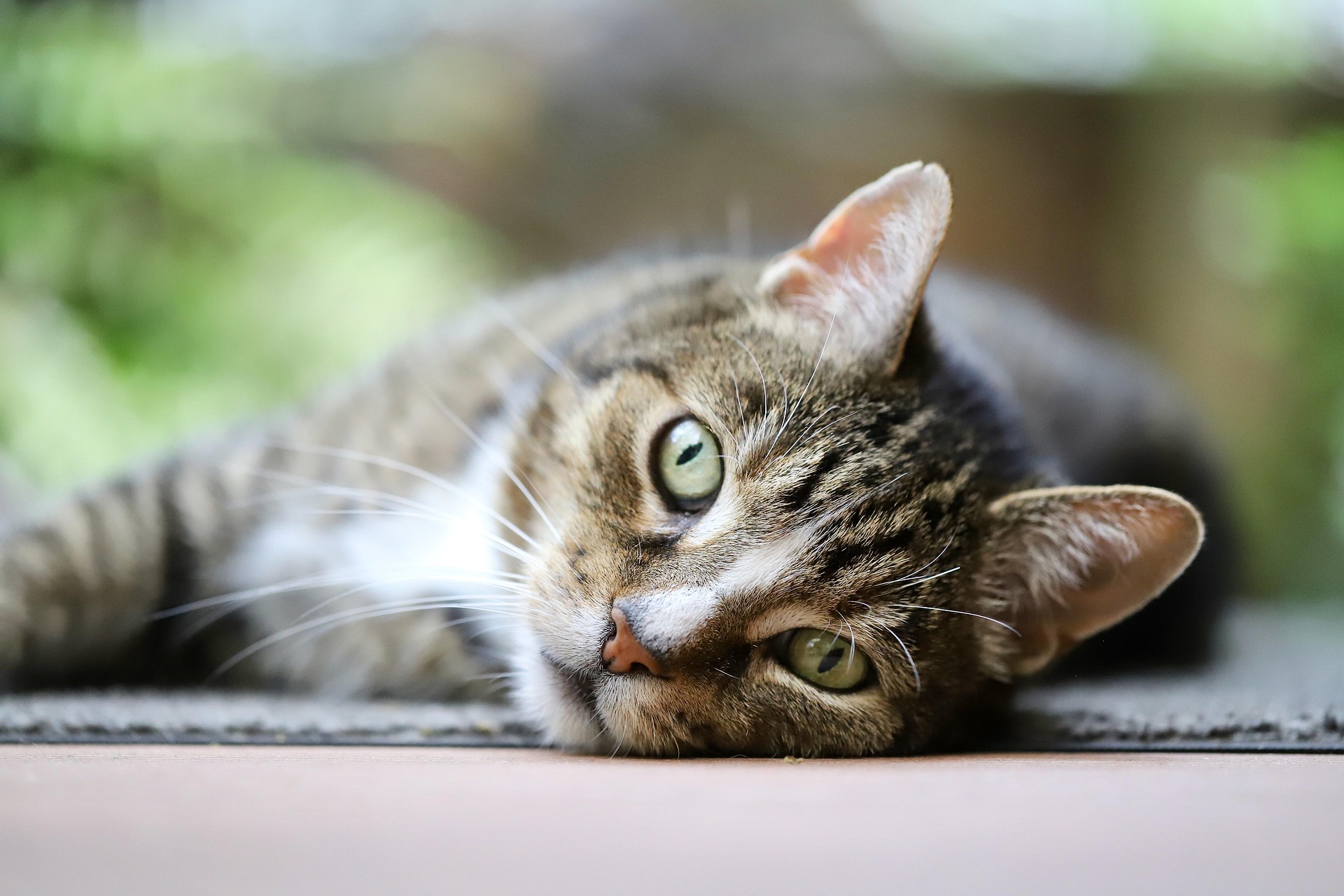
Keeping the Spark in Their Golden Years
Track Health Like a Pro
Aging cats stay healthier when you track the right signs over time. Here’s a quick reference guide:
| What to Track | What Changes Mean | When to Call the Vet |
| Weight | Sudden gain or loss | If visible in under a month |
| Grooming | Less frequent or uneven | May indicate arthritis or discomfort |
| Thirst | Drinking more or peeing more | Could signal kidney or thyroid issues |
| Behavior | Hiding, pacing, confusion | May relate to pain or cognitive decline |
These patterns help you and your vet work as a team; prevention always beats crisis care.
Emotional Care and Companionship
As cats age, their personalities often change. They seek warmth, familiarity, and quiet company. Sit near them while reading, let them nap beside you, and talk often; they know your voice better than anything.
If your cat becomes clingier or more vocal, that’s not neediness; it’s trust. These moments are the emotional heartbeat of senior care; slow, grounding, and deeply human.
Questions Every Senior Cat Owner Eventually Asks
1. How often should my senior cat visit the vet?
At this stage, twice a year is ideal. These appointments catch small shifts in kidney function, dental health, or joint comfort before they become crises. Think of them as maintenance checks that keep your cat comfortable, not emergency visits once they’re in pain.
2. My cat is losing weight but seems to eat normally – should I worry?
Yes, because steady eating with weight loss often signals thyroid or metabolic change. A simple blood panel can reveal the cause and open up easy treatment options. The earlier you test, the quicker your cat can stabilize and regain energy.
3. What kind of food helps older cats stay healthy?
Look for senior-specific formulas with moderate protein, joint-supporting omegas, and lower phosphorus for kidney protection. Wet food is great for hydration, while smaller, more frequent meals reduce strain on digestion. Ask your vet which brand fits your cat’s specific health profile instead of guessing from labels.
4. My older cat seems restless or cries at night – what’s going on?
Night vocalizing can come from confusion, high blood pressure, or simply anxiety as senses fade. Try a small nightlight, a consistent bedtime routine, and gentle reassurance. If it continues, your vet can check for pain or cognitive changes and suggest medication or supplements.
5. Are joint supplements or pain meds safe for senior cats?
They can be—under veterinary guidance. Glucosamine, fish oil, or low-dose pain relief can make a big difference when dosed properly. Always clear supplements with your vet first, since mixing treatments can be risky for older kidneys and livers.
6. How do I know when my cat’s quality of life is still good?
Watch for their small joys: eating, grooming, greeting you, and finding sunny spots. If those pleasures fade and daily routines become a struggle instead of comfort, it’s time for a quality-of-life talk with your vet. Compassion and calm planning are the greatest gifts you can offer in those moments.
Closing Thoughts
Aging with your cat is a lesson in patience and presence. They’ve been your constant for years, now you become theirs. Keep routines gentle, health notes consistent, and affection steady. Comfort and companionship are what carry them gracefully through their golden years, and what make every day worth remembering for you both.
By Penny Martin
“Penny Martin is an advocate for rescue dogs. Her goal is to inform people of what to expect and how to react to their dog so that the relationship always retains love. She created fureverfriend.info to help new owners prepare themselves for new furry friends.”
 Society Of Feline Artists