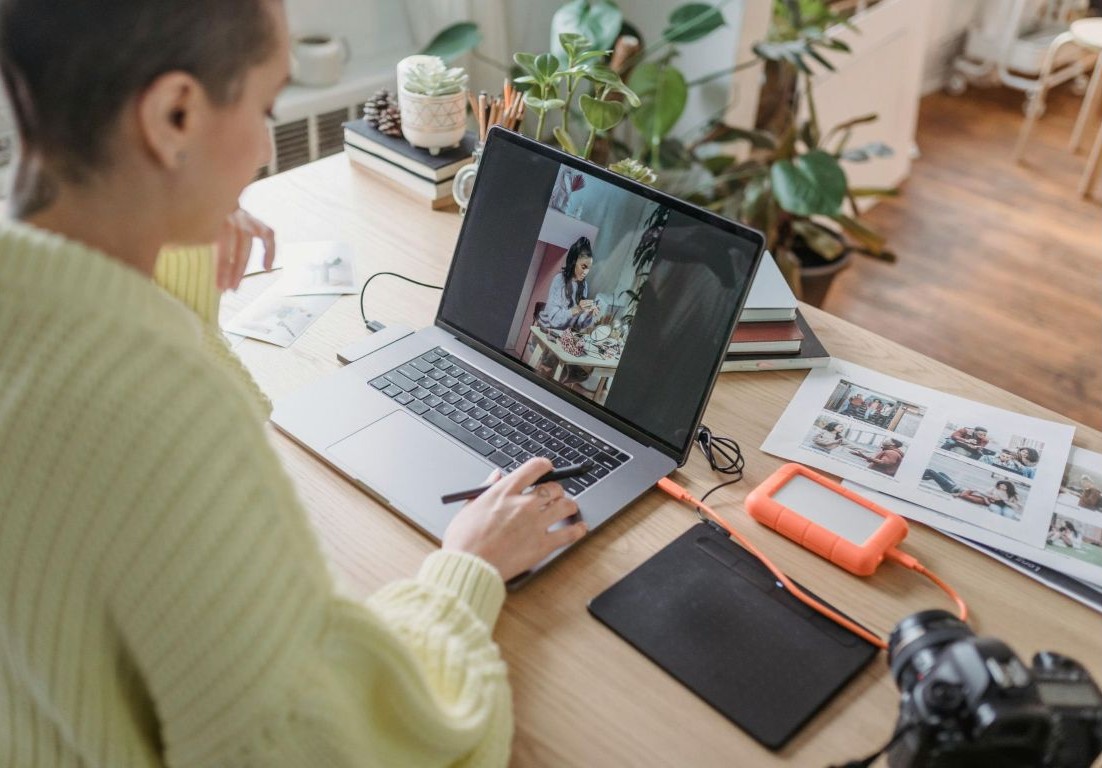
Freelance artists, especially painters, illustrators, and feline-focused creators whose collectors want more cat art, often crave a side income that doesn’t depend on the next commission. The core tension is real: profitable side gigs can quietly eat the hours meant for sketching, experimenting, and finishing work that actually builds a portfolio. Between client messages, inconsistent sales, and the mental load of switching tasks, artistic time management can feel like herding a curious cat with endless energy. The win is finding a steadier rhythm that supports creative work-life balance without shrinking studio time.
![]()
![]() Quick Side Gig Takeaways for Busy Artists
Quick Side Gig Takeaways for Busy Artists
●Choose a flexible side gig that protects your studio time and supports your art goals.
●Start with simple side gig essentials so artist entrepreneurship feels doable from day one.
●Focus on flexible income streams you can adjust around commissions, shows, and creative energy.
●Balance art and work by setting clear boundaries so your practice stays the priority.
![]()
![]() Understanding Side Gigs That Protect Studio Time
Understanding Side Gigs That Protect Studio Time
If you’re new to side work, here’s the basic idea.
A side gig is part-time freelance work you take on in the margins of your week, often to earn some extra cash without committing to a full second job. The win is flexibility: you can choose work that fits your schedule, energy, and creative goals instead of forcing your art to shrink.
This matters because income diversification can calm the “sell or stress” feeling that creeps into studio time. Collectors also benefit when artists can keep making consistent feline-themed work, share resources, and show up for community projects.
Picture a cat portrait painter who does two low-energy admin shifts a week, then books one higher pay weekend commission. With a clear menu of options, they match tasks to stamina and still have time for whiskers, shading, and posting updates.
With your match in mind, mapping where to look and how to pitch gets much easier.
![]()
![]() Map Leads, Pitch Simply, and Promote Fast
Map Leads, Pitch Simply, and Promote Fast
Your goal here is to find steady, low-friction side work without cannibalizing studio time, while keeping feline-themed art visible to the people who love it. It also helps collectors and community members discover reliable cat-art creators, commission options, and local resources
they can share.
Step 1: Map three lead pools you can check weekly
Start with a short list of places to look in three buckets: local leads (cafes, shelters, vet clinics, pet boutiques, art fairs), online art commissions (your site, DMs, commission listings), and digital gig platforms (task-based or creative services). Write down 3 to 5 options per bucket and pick one day a week to check them so your search stays contained.
Step 2: Choose one “offer” and make it cat-specific
Pick one service you can deliver quickly, like custom cat portraits, pet memorial sketches, event signage for adoption days, or simple social posts for cat rescues. Define your basics in one sentence: what they get, how long it takes, and the starting price or price range so people can say yes without a long back-and-forth.
Step 3: Pitch with a two-message script and a clear next step
Send a short first message that leads with the outcome: “I can create X for your cat community in Y time,” then share one example image and one line about availability. Follow with a second message that offers two time windows for a quick call or asks one question that moves the job forward, like size, deadline, or vibe.
Step 4: Set up self-promotion that runs on rails
Create a simple rhythm you can repeat: one finished piece, one behind-the-scenes detail, one collector-friendly post (pricing, process, or shipping), and one community resource spotlight each week. Keep one pinned post or highlight called “Cat Commissions” with your offer, timeline, and how to book, so new followers don’t get lost.
Step 5: Speed up promo graphics with an AI design helper
Build 3 reusable templates (square post, story, and flyer) and swap in new photos, colors, and text instead of starting from scratch each time, using an AI design assistant for graphics when it fits your workflow. The stat that 45% of small design firms have incorporated AI into their work is a good reminder that using assistance for layouts and variations is becoming normal, not “cheating,” especially when you still control the art and final choices.
Small steps, repeated weekly, make your side gig feel as steady as a purring cat.
![]()
![]() Studio-First Weekly Rhythm
Studio-First Weekly Rhythm
To keep it sustainable, use this simple rhythm.
This workflow protects your best studio hours while keeping your cat-themed work discoverable to the people who are actively looking for it. It also gives collectors and community organizers a predictable way to find updates, book small projects, and share their resources without a long back-and-forth. The research on time management impact is a helpful reminder that a consistent system supports performance and well-being.
| Stage | Action | Goal |
| Plan | Block studio time first; cap gig hours for the week | Creativity stays protected; income stays predictable |
| Scan | Check three lead pools in one timed session | Opportunities found without endless browsing |
| Confirm | Offer one clear option; send terms and timeline | Fewer revisions; faster yes-or-no decisions |
| Produce | Batch gig tasks; use a simple checklist | Deliver reliably; avoid context switching |
| Share | Post one update and one booking reminder | Collectors know what is available |
| Review | Note what paid, what drained energy; adjust | Next week gets easier and cleaner |
Each stage feeds the next: planning sets boundaries, scanning fills the pipeline, and confirming prevents scope creep. Producing in batches keeps your attention calm, and sharing plus review make your visibility steady instead of sporadic.
Start with one protected block and one small deliverable this week.
Turn Studio Time Into Sustainable Income With One Side Gig
It’s hard to chase extra income without feeling like it steals the quiet hours your best work needs. The studio-first rhythm and an entrepreneurial mindset for artists keep the business side tidy, so side gig motivation doesn’t become a daily tug-of-war. When the gig is simple and scheduled, sustaining creative income starts to feel steady, and artist business confidence grows one clean win at a time, making dual career success less like luck and more like practice. Protect your studio hours first, then let a small offer support them. Choose one first offer, set a tiny deadline for launching it, and keep it inside the time blocks already on the calendar. That’s how the work stays resilient, even when life gets loud.
By Penny Martin
“Penny Martin is an advocate for rescue dogs. Her goal is to inform people of what to expect and how to react to their dog so that the relationship always retains love. She created fureverfriend.info to help new owners prepare themselves for new furry friends.”
 Society Of Feline Artists