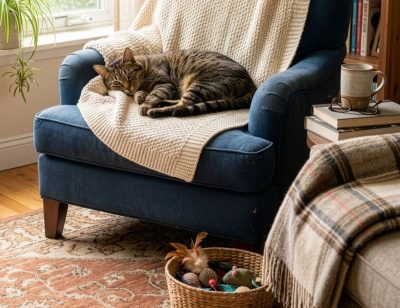
The bond between a human and a cat is built on the foundation of predictable rhythms and shared quiet moments. While humans often view change as an opportunity for growth, cats typically perceive it as a threat to their established territory and security. Understanding how to buffer the emotional impact of major life shifts is the key to maintaining a peaceful home and a thriving pet.
The Science of Feline Stability
Cats are creatures of habit that rely heavily on environmental cues to regulate their stress levels. When these cues vanish or change abruptly, it can lead to behavioral issues or physical illness. Transitioning through life milestones requires a proactive approach to keep your cat’s world feeling small and safe.
Key Takeaways for Successful Transitions
- Introduce changes gradually rather than all at once.
- Maintain feeding and play schedules regardless of external chaos.
- Provide vertical space and hiding spots in every room.
- Use synthetic pheromones to signal a sense of security.
How Life Changes Disrupt the Feline World
Major life events like moving to a new home or welcoming a new baby can upend a cat’s reality. Moving involves new smells and the loss of established scent markers. Meanwhile, a new infant introduces loud noises and a sudden shift in attention. Even subtle changes, such as a shift in work hours, can cause distress. Cats monitor our movements closely, and a sudden departure can trigger separation anxiety. It is vital to recognize that resilient ownership and spending patterns show that while owners invest in pets, household changes still impact feline health.
Balancing Career Growth and Pet Care
Many professionals are now opting for remote work or online learning to better manage their household dynamics. Transitioning into a new field, such as healthcare or digital services, through at-home programs allows pet owners to remain a stabilizing presence during their study hours. This physical availability is a powerful tool for a cat that might otherwise struggle with the sudden silence of a traditional office schedule. By choosing flexible paths, you can pursue professional growth while ensuring your feline companion remains a priority during your daily routine.
The 3-S Consistency Framework
To help cats cope, owners can implement the 3-S Consistency Framework: Scent, Schedule, and Space. By focusing on these pillars, you ensure that even if the house is full of moving boxes, the cat has anchors to hold onto. Scent involves keeping familiar blankets unwashed during a move. Schedule refers to the strict timing of meals. Space means ensuring the cat always has a “no-go” zone. Feline veterinary market growth insights highlight that proactive stress management is becoming central to modern pet ownership as owners seek deeper connections.
Adapting to New Household Dynamics
When household makeup changes, such as a new partner moving in, the social hierarchy resets. Cats are sensitive to new energy levels. A newcomer may inadvertently occupy a cat’s favorite chair or block litter box access. Owners must be diligent in strategic shifts in feline care by facilitating slow, positive introductions. This process involves allowing the cat to approach the person on their own terms, using treats to build positive associations with the newcomer’s presence.
Supporting the Aging Cat Through Change
Senior cats are vulnerable during upheaval because their cognitive flexibility has decreased. An older cat may have stiff joints that make it harder to reach a litter box if moved during a renovation. If your cat is older, it is crucial to keep their environment static. Changes in lighting can be disorienting for felines with declining vision. Monitoring evolving economics for veterinary teams shows that while owners spend more on care, older cats require consistent environments to avoid expensive medical escalations.
Comparison of Transition Stressors
| Event Type | Primary Stressor | Recommended Intervention |
| Residential Move | Sensory Overload | Room-by-room introduction |
| New Family Member | Noise and Attention | Scheduled one-on-one play |
| Career Shift | Routine Disruption | Automated feeders |
| Renovations | Territory Incursion | Vertical retreat spaces |
Protecting Animal Welfare During Growth
Ultimately, personal evolution should not come at the cost of pet well-being. By reviewing pet population trends, we see more households choosing cats for their perceived adaptability. However, this relies on the owner maintaining normalcy. Whether moving or starting a new job, keeping your cat’s needs at the forefront ensures a smoother transition for everyone.
Checklist for a Seamless Transition
- Set up a “safe room” with familiar items before moving.
- Use a pheromone diffuser in high-traffic areas.
- Stick to exact feeding times despite schedule shifts.
- Introduce new scents like baby lotion gradually.
- Schedule a vet check-up if appetite changes.
Common Questions Regarding Pet Transitions
How can I tell if my cat is stressed by a new work schedule?
Look for changes like increased vocalization, hiding, or over-grooming. These indicate the change in your presence is affecting their confidence.
What is the best way to introduce a cat to a new home?
Keep them confined to one quiet room for the first few days. This allows them to claim a small territory first.
Will my cat get used to a new baby eventually?
Yes, most cats adapt if the introduction is slow. Use positive reinforcement and ensure the cat still receives individual attention.
Should I change my cat’s diet during a stressful move?
Avoid dietary changes during a transition. Keeping food consistent provides a familiar element in a changing environment.
How long does it take for a cat to adjust to a major life change?
Most cats take between two weeks and two months to settle. Patience and consistency are vital.
Conclusion
Adapting to life’s changes requires resilience. By maintaining routine and providing security, you can navigate career shifts and new homes without compromising your cat’s happiness. Preparation ensures your pet feels supported, no matter where life takes you.
By Penny Martin
“Penny Martin is an advocate for rescue dogs. Her goal is to inform people of what to expect and how to react to their dog so that the relationship always retains love. She created fureverfriend.info to help new owners prepare themselves for new furry friends.”

